

Choosing between the ferry and the Eurotunnel is rarely about which one is better in the abstract. It comes down to what you're driving, who's with you, where you're going on the other side and whether a two-hour break sounds appealing or tedious. The two crossings do the same job in very different ways, and the right answer changes with the trip.
The real cost question
Ticket price is only part of it. A cheap crossing that lands you in Calais at eleven at night and leaves you hunting for a hotel can cost more than a pricier daytime departure. A tunnel ticket looks tidy until you add the fuel for driving further to Folkestone.
Things that move the price on both sides of the Channel:
- Time of day. Early morning and late-night sailings and shuttles are usually the cheapest. Weekend afternoons in summer are the most expensive.
- How far ahead you book. Both operators price by demand, so booking weeks ahead normally beats turning up.
- Flexibility. A fully flexible ticket costs noticeably more than a fixed one. If your plans are firm, fix them.
- Vehicle size. Caravans, motorhomes, vans and trailers are priced separately. Measure yours properly rather than guessing.
- Passengers. On most ferries the car fare covers the people in it, but check whether extra adults change the total.
As a general pattern, ferries tend to win on price for a car full of people on the short Dover strait routes. The tunnel is competitive for a solo driver or a couple in a small car, particularly off-peak. The gap between them can flip depending on the day, so price both for your exact dates rather than assuming.
Journey time, door to door
The crossing itself is the least useful number. What matters is terminal to destination.
Le Shuttle takes around 35 minutes from Folkestone to Calais. You stay in your car, drive off and you're straight onto the motorway. Check-in closes shortly before departure, so aim to arrive with time in hand — 45 minutes to an hour is comfortable, longer at peak periods.
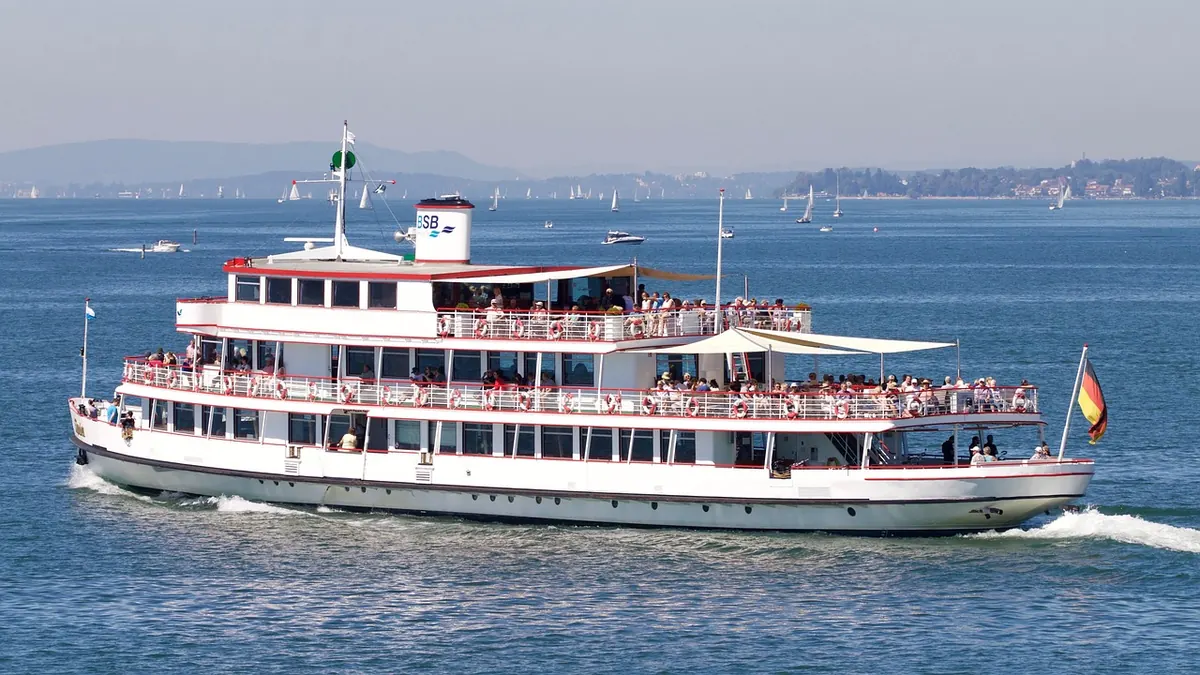
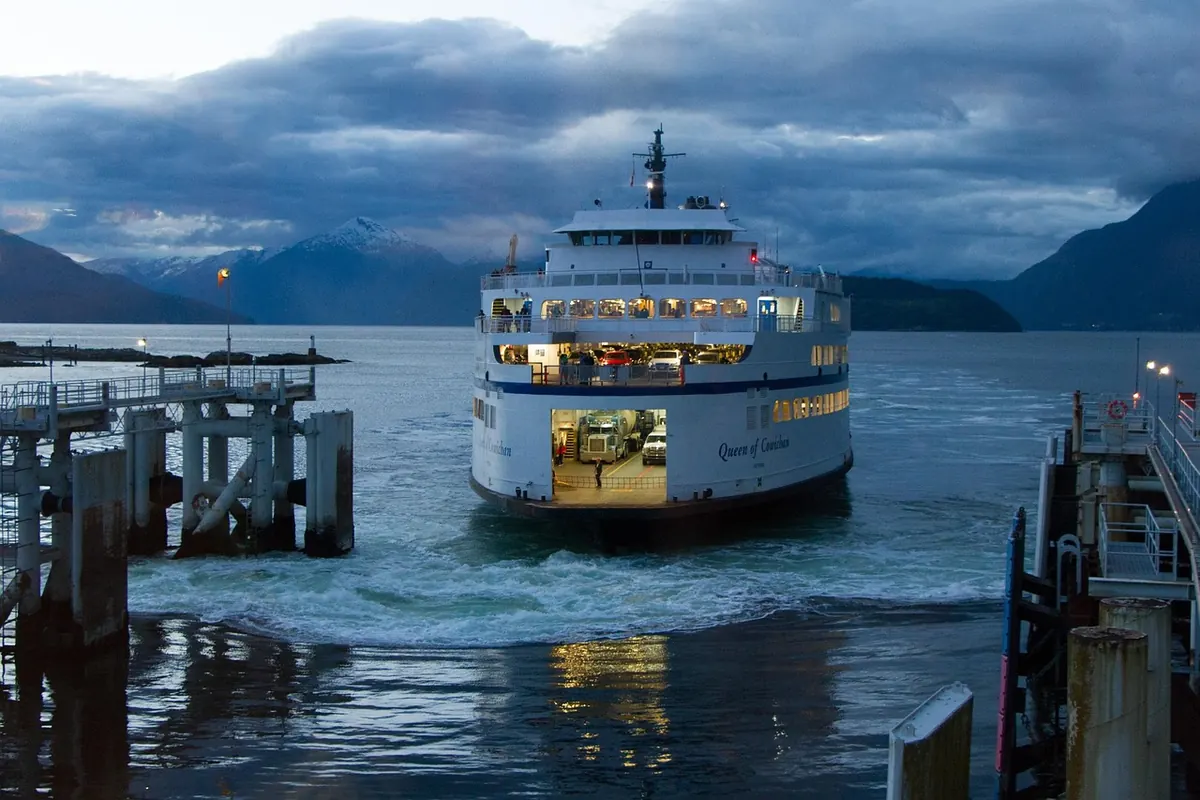
Dover strait ferries take roughly 90 minutes to Calais and about two hours to Dunkirk. Add check-in, boarding, disembarking and passport checks, and you're looking at something closer to three hours from arriving at the port to leaving the other one. Longer western routes — Portsmouth to Caen, Plymouth to Roscoff, Newhaven to Dieppe — run four hours or more, and several sail overnight.
Then add the road. Calais and Dunkirk suit Belgium, the Netherlands, Germany and northern France. If you're heading to Normandy or Brittany, a western ferry can cut hours of driving, and an overnight sailing can replace a hotel room.
Which terminal suits your route
- Calais and Dunkirk for Belgium, the Netherlands, Germany and northern France.
- Dieppe for Normandy and western Paris.
- Caen, Cherbourg, Le Havre and Saint-Malo for Brittany, Normandy and the Loire.
- Rotterdam, Zeebrugge and IJmuiden for the Netherlands and beyond.
Luggage, kit and the car
This is where the two options feel most different. The tunnel effectively has no luggage limit: if it fits safely in your vehicle and doesn't breach customs rules, it travels with you. Nothing is carried separately, nothing gets lost, and your car stays with you for the whole crossing.
Ferries are almost as generous for cars, though operators can refuse overloaded or unsafe vehicles, and roof boxes or trailers may affect your fare. Foot passengers feel the difference: you carry your own bags on and off, and some operators restrict how much you can bring. If you're travelling without a car, the tunnel isn't an option — Le Shuttle is a vehicle service.
Worth checking before either crossing:
- Passports valid for the countries you're visiting, and for the whole trip.
- Pet paperwork sorted well in advance, including any treatment your dog needs before returning to the UK.
- Food and plant rules — many meat and dairy items can't be brought into the EU from the UK.
- A charged phone and something to keep everyone occupied during the wait.
- Your booking reference and, if you're driving a larger vehicle, its exact dimensions.
Comfort, food and the state of your passengers
On a ferry you can leave the car, eat something hot, let children burn off some energy and, on longer routes, book a cabin. On a rough day in the Channel, plenty of passengers are glad of a seat towards the middle of the ship and a plain biscuit.
The tunnel is the opposite: brief, functional, no seasickness, no queue for the toilet. Thirty-five minutes with the engine off and a book suits most people, and it's far easier with a baby who sleeps in the car seat. There's very little to do, which some travellers love and others find dull. If you need a proper break from driving, that's a point for the ferry.
Weather, delays and disruption
Ferries are weather-dependent. Cross-Channel services are rarely cancelled outright, but strong winds can mean slow boarding, a rough crossing and delays. The longer western routes are more exposed than Dover, and winter sailings can be moved or combined.
The tunnel is weatherproof but not delay-proof. Technical problems, incidents and sheer volume of traffic can add hours, and because everything runs to a tight timetable, knock-on delays can be long. The saving grace on both sides is frequency: on the Dover strait, if you miss one sailing or shuttle, another is usually along shortly. On a once-a-day western route, a missed sailing is a much bigger problem — and worth insuring against if your plans are tight.
Which should you book?
- Choose the ferry if you want the keenest price for a full car, you're heading to Normandy or Brittany, you'd rather break the journey with a meal and a walk on deck, or you're travelling without a vehicle.
- Choose the tunnel if speed and minimum fuss matter most, you'd like your pet beside you in the car, or you want the freedom of frequent departures and a shorter check-in.
- Choose an overnight ferry if you want the crossing to double as accommodation and save a day of driving.
Practical tips before you book
Compare the whole journey, not just the crossing. Put both options into a route planner, then look at arrival times, fuel and any hotel you'd need at either end. Book ahead for summer weekends and school holidays, and read the terms if your plans might shift. Arrive with time to spare at either terminal — the queues at Dover and Folkestone in peak season are real, and a missed departure is an expensive way to save twenty minutes at home. If you're taking a pet, sort the paperwork first; it's the one thing you can't fix on the day. For the current rules on passports, pets and what you can bring, check the official government guidance before you travel.
Whichever you pick, the crossing is a small part of the trip. Get that right and the rest tends to look after itself.
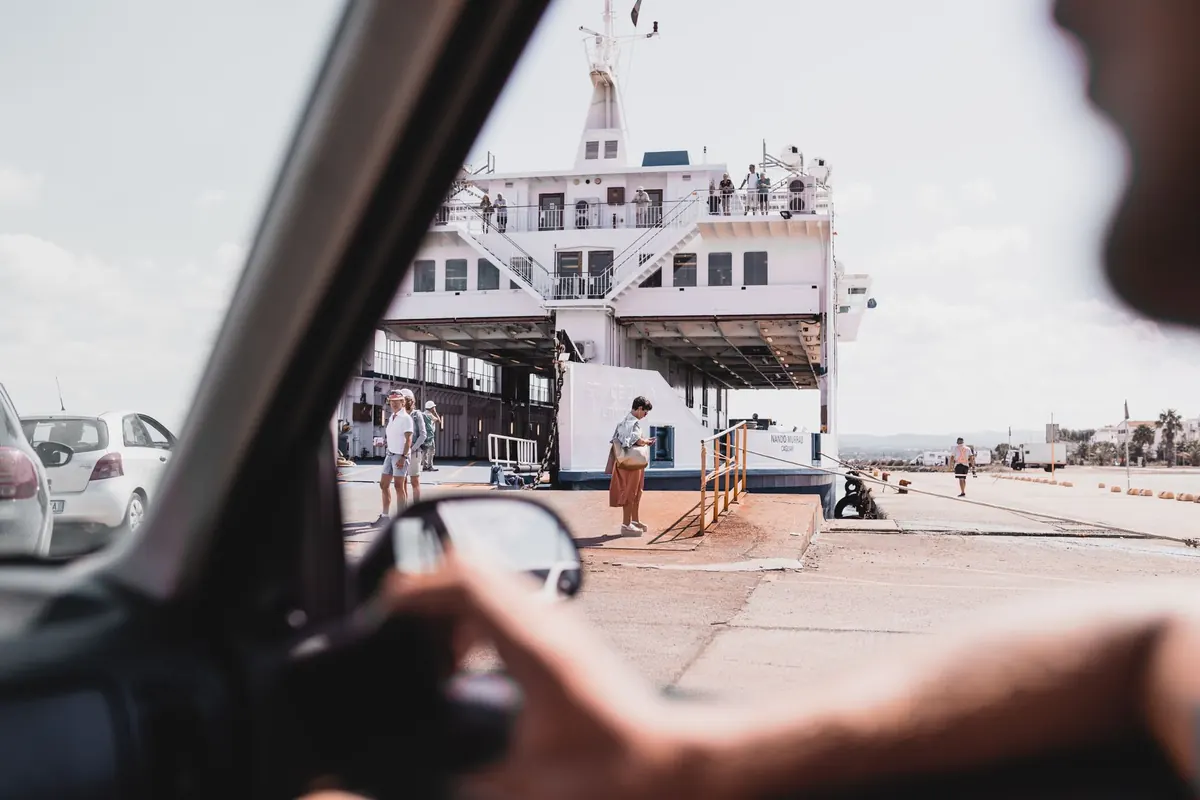
Photo: Riccardo Pitzalis / Pexels